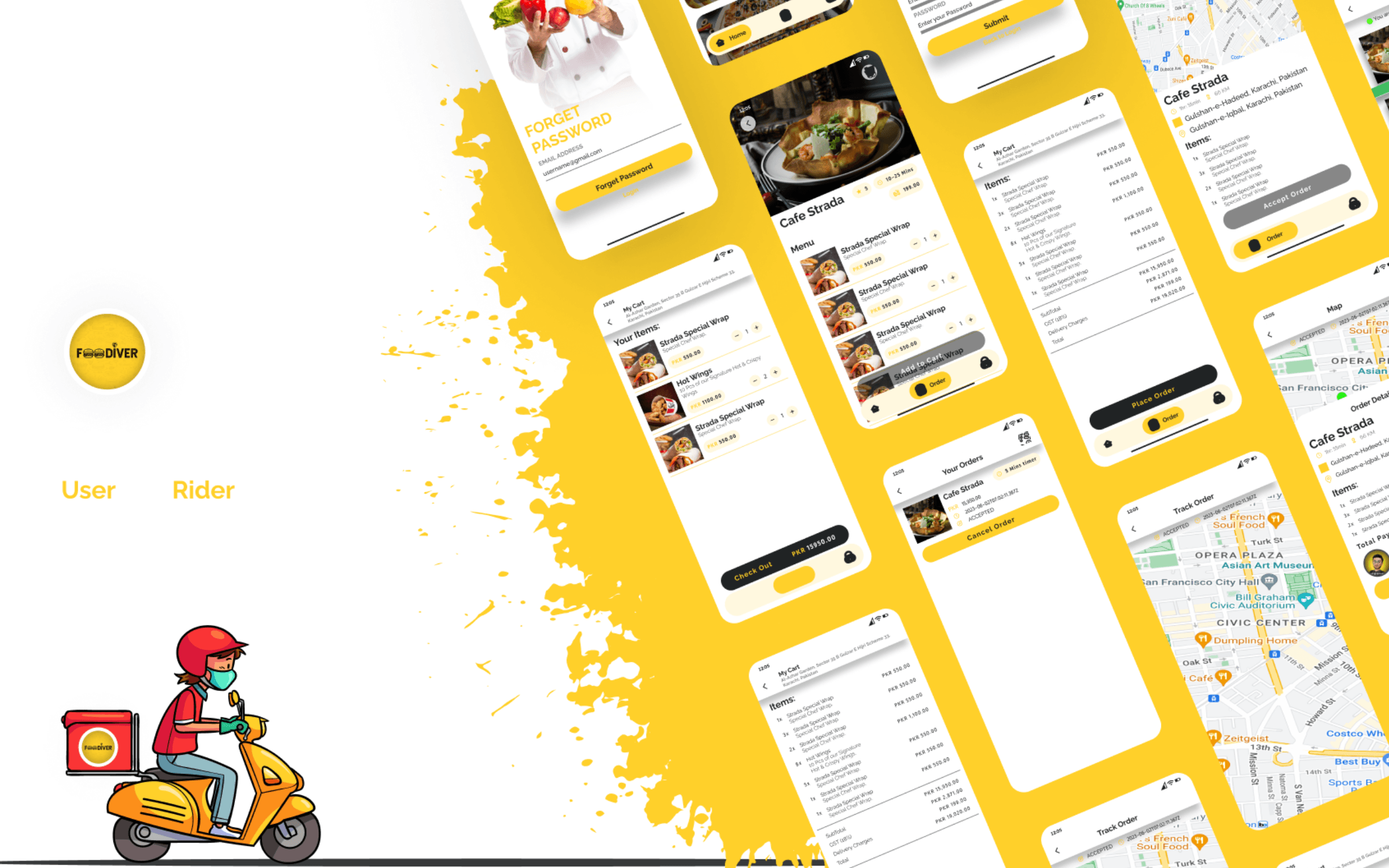

Mobile app development services.
Engineered for store review and daily use.

Mobile app development services by IrenicTech: native iOS, native Android, React Native, and Flutter apps engineered for App Store review, Play Store launches, and the offline-first, push-driven experiences mobile users expect
  • React
  • Flutter
  • Swift
  • Kotlin
  • Next.js
  • TypeScript
  • Node.js
  • Tailwind CSS
  • Express
  • PostgreSQL
  • MongoDB
  • Redis
  • OpenAI
  • Anthropic
  • Hugging Face
  • LangChain
  • PyTorch
  • TensorFlow
  • AWS
  • Google Cloud
  • Microsoft Azure
  • Vercel
  • Cloudflare
  • Docker

IrenicTech mobile app development at a glance

Mobile as engineering, not hybrid. Built native where it counts.

Most mobile apps shipping today are a web view in a hybrid wrapper, called cross-platform because nobody had the time to ship two real apps. Looks fine in the demo. Crashes the first review. Earns one-star ratings the launch week.

We build mobile app development services as a real engineering discipline. Native UIs where the platform expects them. Cross-platform where one codebase outpaces two. Offline-first state, push notifications, deep links, and store-review-aware release pipelines from sprint one.

The teams we work with do not want a hybrid app that earns one-star reviews for jank. They want a mobile product their users open daily, that survives store review without a panic patch.

Productized engagements

Fixed-scope mobile sprints. Buyable, not negotiable.

Time-boxed, fixed-price, with a deliverable that lands in TestFlight and the Play internal track. Pick the shape that matches what you are scoping. Every sprint hands you the code, the store assets, and the release pipeline on day one.

  • For founders

    Mobile MVP Sprint

    From spec to a TestFlight build in six weeks.

    • React Native or Flutter, picked per the product shape and your team
    • Auth, navigation, and offline-first state shipped on day one
    • TestFlight and Play internal-track builds for your first ten beta testers
    Book a discovery call
  • For existing apps

    App Store Rescue Sprint

    Diagnose the one-star reviews. Ship the patches that move the rating.

    • Audit of crash logs, review threads, and abandonment analytics
    • Fix the top crash, the top complaint, and the top abandonment in one release
    • Resubmission strategy when the app is stuck in review limbo
    Book a discovery call
  • For native rebuilds

    Native Rewrite Sprint

    Replace the hybrid wrapper with Swift and Kotlin, without a relaunch.

    • Phased rollout from hybrid to native, screen by screen
    • Single store listing, single user base, no breaking version cuts
    • Native-only unlocks (Live Activities, widgets, Wear OS) on the new build
    Book a discovery call

Our mobile deliverables

  • Native iOS apps

    Swift and SwiftUI, Apple HIG compliant, App Store ready. Lifecycle, background modes, push, and Live Activity integrations the platform expects, shipped to the App Store on a tested release pipeline.

  • Native Android apps

    Kotlin and Jetpack Compose, Material 3 compliant, Play Store ready. Foreground services, WorkManager, and Wear OS where the product wants them, shipped to Play on a tested release pipeline.

  • React Native apps

    One codebase shipping to both stores, native modules when the JS bridge is not enough, EAS Update or CodePush for over-the-air patches, and the release engineering that keeps both stores in sync.

  • Flutter apps

    One codebase, native rendering, Dart for the business logic, platform channels for the rest. Strong fit when the team is already in the Dart ecosystem or the design system needs custom rendering.

  • Offline-first state

    Local-first storage with conflict-free sync, queue-based mutations, and the optimistic UI that makes the app usable on a subway, on a plane, and in the cellular dead spot every product manager forgets about.

  • Push notifications & deep links

    APNs and FCM, universal links and app links, and the campaign analytics that prove notifications drove the open. Push treated as a product surface, not a 'we will set it up at the end' line item.

  • In-app purchases & subscriptions

    StoreKit 2, Google Play Billing, RevenueCat where receipt validation justifies the SaaS, custom otherwise. Restore flows, family sharing, and the refund handling Apple and Google reviewers ask about.

  • Store submission & review

    App Store and Play Store metadata, screenshots per device, privacy nutrition labels, age ratings, IDFA prompts, and the review-objection responses that get the build approved on the first or second pass.

Hybrid vs engineered mobile

Why most mobile apps earn one-star reviews in the first week.

Two ways to ship a mobile app. One survives store review and earns daily-use retention. The other does not.

The default pattern

Hybrid wrapper

A web app shoved into a WebView, store-submitted as “native”. Ships fast, breaks the first review, gets one-star ratings on launch week.

  • A web view in a Capacitor or Cordova wrapper, called 'cross-platform' to skip shipping two real apps.
  • Jank under load: stuttery scrolling, slow keyboard handling, animations that drop to 30fps on mid-tier Android.
  • No platform-native UI: iOS users get an Android-shaped app and vice versa; both populations feel it.
  • Offline mode is 'we cache the last response in localStorage'; the app is unusable on a subway.
  • Push notifications are bolted on after launch; deep links never work reliably.
  • Store review rejections that nobody on the team has the time or skill to argue against.
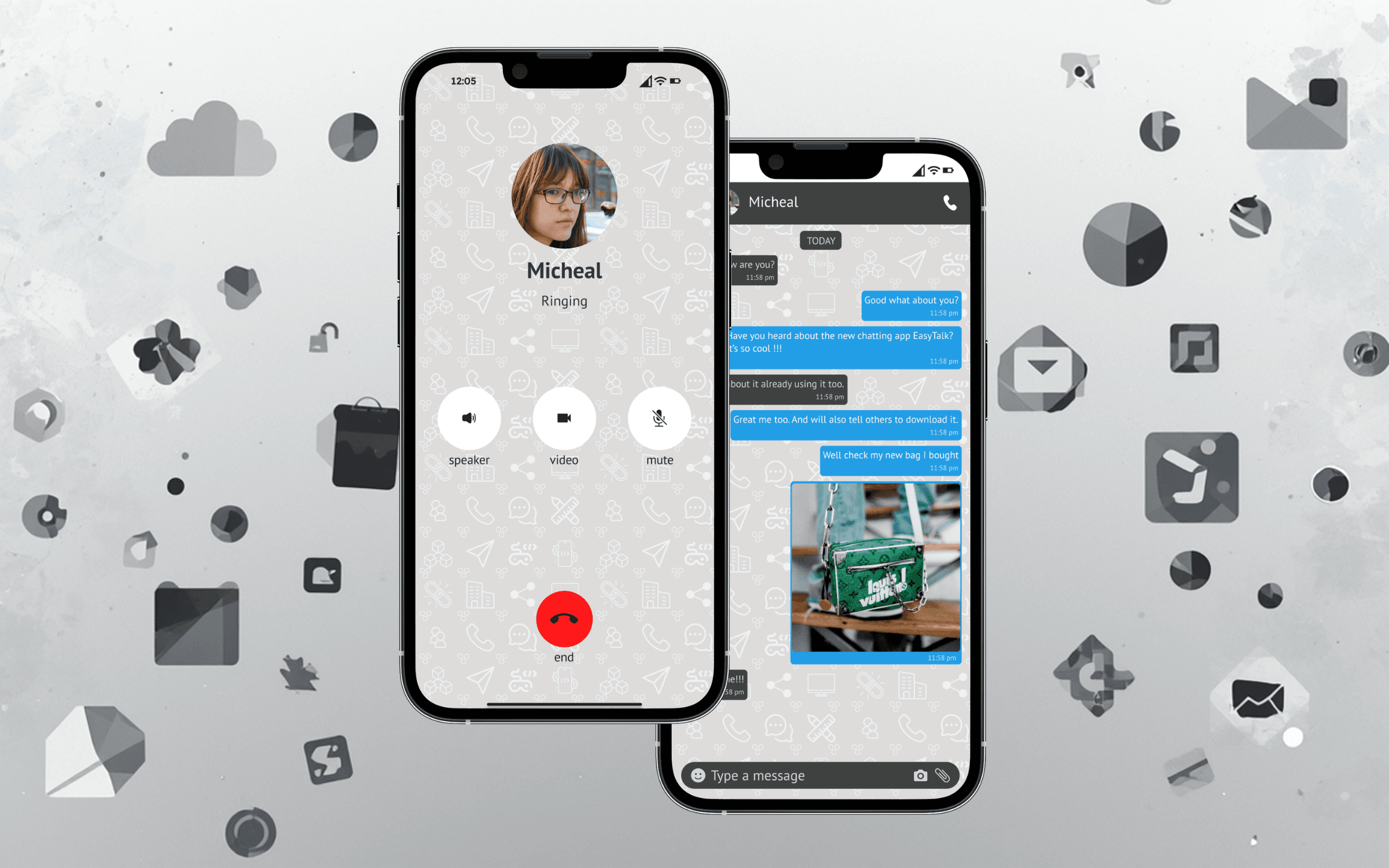
How we ship

IrenicTech engineered mobile

Native UIs where the platform expects them, cross-platform where one codebase wins, offline-first by design, store-review checklist gated in CI.

  • Native UIs where the platform expects them, cross-platform where one codebase legitimately wins.
  • 60fps scrolling and animation as a release gate; performance regressions block merge.
  • Apple HIG and Material 3 followed because users expect the patterns, not just because reviewers enforce them.
  • Offline-first state from sprint one: local storage with sync, queues, and optimistic UI.
  • Push, universal links, and app links designed in, with campaign analytics that prove they worked.
  • Store-review checklist gated in CI; review objections answered with engineering, not negotiation.

Where custom mobile earns its place.

  1. 01 · B2B mobile

    Companion app for an existing SaaS

    Mobile companion for your existing web product: tenant auth, push notifications, the workflows your customers actually do on the go. Single user base, single billing relationship, two surfaces.

    See our SaaS Platforms practice
  2. 02 · Consumer MVP

    Founder-led consumer mobile MVP

    Solo-founder or seed-stage consumer app: spec to TestFlight in six weeks, App Store launch in twelve. Tested with real users before the public listing goes live.

  3. 03 · Vertical mobile

    Industry-specific mobile product

    Vertical mobile app (healthcare, fitness, education, finance) with the compliance regime, offline capabilities, and store-review nuances each vertical actually demands.

  4. 04 · Internal mobile

    Field-team and employee apps

    Internal mobile app for field teams: offline-first sync, MDM compatibility, role-based access, and the kiosk-mode patterns enterprise IT teams expect.

  5. 05 · Hybrid rewrite

    Hybrid-to-native migration

    Replace the Capacitor or Cordova wrapper with Swift and Kotlin, screen by screen, without a relaunch. Single store listing, single user base, no breaking version cut.

  6. 06 · AI-native

    AI-native mobile app

    Mobile app with on-device or remote LLM features: copilots, retrieval over user data, intelligent automation, eval coverage on every prompt. AI as a first-class subsystem, not a tacked-on chat box.

    See our AI Native practice

Spotlight case study

Unicare
One product, three surfaces, one release cadence.

A custom care management product for NDIS and aged-care providers across Australia: web app, native iOS, native Android, AI-powered case notes, and audit-ready compliance baked in. All three surfaces ship at the same cadence from one team.

  • 3

    Surfaces (web, iOS, Android)

  • 40%

    Admin time cut

  • Audit-ready

    By default

Read the full case study

Voice of the customer

From founders and product leads shipping to both stores.

  • App Store approval first time. Twelve days from final TestFlight build to live, including the rejection on screenshots that took six hours to fix. Daily active users hit the projection by week two.

    Mira Castellanos

    Founder, Larkmoor Studio

  • Two stores, one codebase, one team. The release cadence on iOS now matches our web cadence. We are not making product compromises to keep the apps in sync.

    Yuki Tanaka

    Head of Mobile, Bramble & Pike

  • Push notifications drove a thirty-percent lift in week-one retention. The offline-first sync layer means the app works on the subway. Both came out of the same week of engineering.

    Theo Andersen

    VP Product, Mossfield Studios

How we ship mobile products.

Six steps from first call to two live store listings. The vertical slice validates the platform strategy on real devices; the store-readiness pass gates submission.

  1. 01

    Discovery & platform strategy

    Native vs cross-platform decision, OS targeting, store-readiness audit, key technical risks. One-page brief, no production code yet.

  2. 02

    Design & flow

    Mobile-first IA, Apple HIG and Material 3 compliance, key-screen wireframes through to high-fidelity, store-screenshot composition planned alongside the UI.

  3. 03

    Vertical slice

    One full user journey end to end on real auth, real navigation, real device. TestFlight and Play internal-track builds delivered at the end of the slice.

  4. 04

    Build

    Feature delivery in two-week increments, with a fresh beta build every increment. Real device testing on iOS and Android, performance regressions blocking merge.

  5. 05

    Store readiness

    App Store and Play Store metadata, screenshots per device, privacy nutrition labels, IDFA prompt, age ratings, accessibility audit, and the review-objection responses for the likely questions.

  6. 06

    Launch & retain

    Production submission to both stores, Crashlytics and analytics wired in, push notification strategy live, store-review monitoring, and the product-team retainer for the post-launch cadence mobile demands.

Mobile review, accessibility, and security, built in.

The frameworks we measure ourselves against, and the ones we engineer into the apps we hand off. Designed in from sprint one, not retrofitted before the first store review.

Pre-submission store readiness audits available as standalone engagements. Bring your current build, leave with a prioritised remediation backlog and screenshots that pass.

Common questions, answered.

  • How long does a mobile app take to ship?

    Mobile MVP Sprint: six weeks to a TestFlight and Play internal-track build with auth, navigation, and the core journey. Public launch on App Store and Play Store: typically twelve to sixteen weeks depending on store-review feedback and feature surface. Ongoing: product-team retainer for the release cadence mobile demands.

  • What does a mobile app cost?

    Price varies with the scope of the work. The productized sprints are fixed-price for the scope they cover. A full mobile build is quoted after the discovery call, with the number driven by platform targets, feature surface, backend complexity, store-readiness needs, and the ongoing release cadence. The discovery call itself is free; you accept the estimate or you do not.

  • Native iOS and Android, or React Native, or Flutter?

    Depends on the product shape, your team, and the platform-specific features you need. Native (Swift and Kotlin) when Live Activities, widgets, Wear OS, or deep platform integrations are core. React Native when one team shipping to both stores at the same cadence is the win. Flutter when the team is already in Dart or the design system needs custom rendering. The discovery call gives the honest answer for your situation.

  • Can you ship to App Store and Play Store on the same release?

    Yes, and that is the default. A single release pipeline builds and submits both stores from the same commit. Store-specific reviews can stagger the live dates by a few days; the code ships together.

  • What if our app keeps getting rejected by App Store review?

    The App Store Rescue Sprint is built for this. We audit the rejection threads, fix the underlying issues, and rework metadata, screenshots, or any guideline-violating behaviour. Resubmission strategy includes anticipating the next round of reviewer questions, not just patching the current one.

  • Do you handle push notifications and deep links?

    Yes. APNs and FCM for push, universal links and app links for deep links, and the campaign analytics that prove notifications drove the open. Push treated as a product surface, not a 'we will set it up at the end' line item.

  • Who owns the codebase, the App Store account, and the Play account?

    You. From day one. Store accounts in your organisation, code in your GitHub organisation, deploy pipeline in your cloud account, secrets in your secret manager. We push to your repos, deploy to your stores, and document everything in your wiki. No proprietary tooling you cannot leave.

  • What about updates after launch?

    Continuous. Mobile is never 'shipped'; store review windows, OS updates, and user feedback shape every release. The product-team retainer covers feature delivery, store-review responses, and the per-OS-version compatibility work that comes with the platform.

Start a conversation

Tell us what you’re building.

Share the essentials and we’ll reply within 4 hours with a real next step, not an auto-responder.

What happens next

  1. We reply within 4 hours, from a real person, not an auto-responder.
  2. A short scoping call to understand the goal, constraints, and timeline.
  3. A fixed-scope discovery sprint: a working prototype and a written estimate.
Office
Austin, TX, United States
Hours
Mon–Fri · Async + scheduled calls

Fields marked are required.